


iQure Pharma is a clinical-stage biotech company developing first-in-class astrocyte-targeted therapeutics designed to restore glutamate balance in CNS disorders.
The company’s science is built around one of the core functions of astrocytes: the regulation of glutamate uptake through EAAT2, the main transporter involved in maintaining synaptic balance and protecting neurons from overstimulation. By enhancing EAAT2 function, iQure aims to break the cycle of excitotoxicity, a feedback loop linked to neuronal overstimulation and dysfunction across CNS conditions including epilepsy, Parkinson’s disease, migraine and ALS.
Our lead asset, iQ-007, is a first-in-class, orally available EAAT2 positive allosteric modulator currently in early clinical development. Epilepsy is the first clinical validation path, supported by strong translational models and clear clinical endpoints. In parallel, iQure is building a Parkinson’s disease expansion strategy, with migraine and ALS as additional mechanism-driven opportunities supported by EAAT2 biology and preclinical work.
iQ-007 is advancing in early clinical development
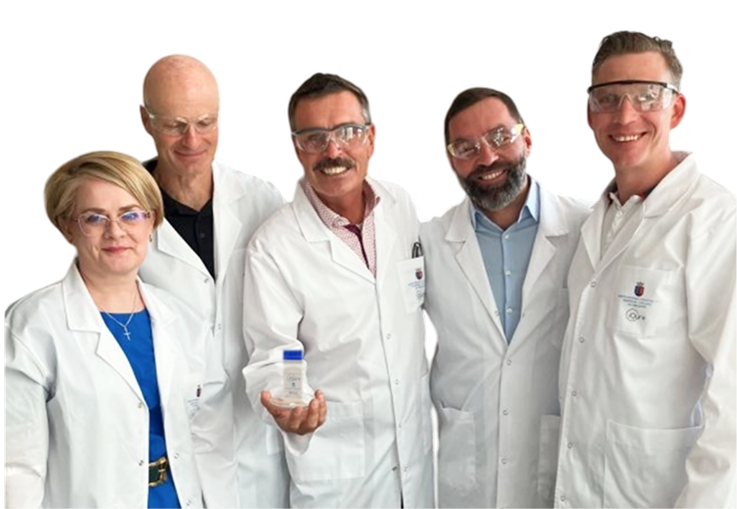
 Read more about our team
Our
science
Astrocytes regulate glutamate clearance through EAAT2, the main transporter responsible for maintaining synaptic balance and protecting neurons from overstimulation. When this function is impaired, glutamate can accumulate and fuel excitotoxicity, a self-amplifying process linked to neuronal stress and dysfunction.
iQure is developing first-in-class EAAT2 positive allosteric modulators designed to restore physiological glutamate clearance through astrocyte-driven uptake. This mechanism supports a focused CNS strategy, with epilepsy as the first clinical validation path, Parkinson’s disease as the next strategic pillar, and migraine and ALS as additional mechanism-driven opportunities.
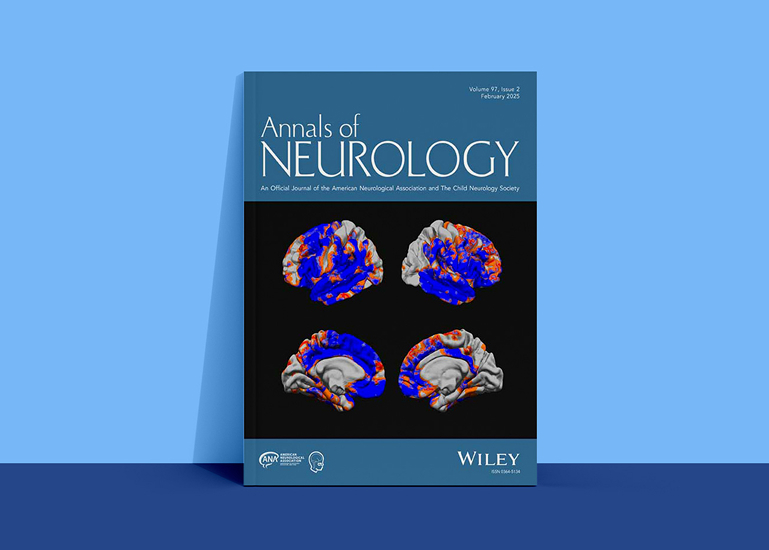
Our approach is supported by co-authored research validating our mechanism as a novel antiseizure strategy, with preclinical proof of concept.
The work was conducted in collaboration with Harvard Medical School, NIH, Boston Children’s Hospital, and Jagiellonian University.
iQ-007 is in early clinical development and is being prepared for Phase 2 proof-of-concept in epilepsy. The same astrocyte / EAAT2 axis also supports broader expansion across CNS conditions where glutamate imbalance is implicated. More about clinical development.
 More about clinical development
Our investors


Latest news
-
 3 min
3 min

iQure Pharma Announces Positive Completion of Phase 1 Clinical Study of iQ-007
-
3 min

iQure Pharma Awarded Grant from The Michael J. Fox Foundation to Advance EAAT2 Program in Parkinson’s Disease
-
2 min

iQure Pharma to Attend BIO International in San Diego, June 22-25, 2026
-
2 min

iQure Pharma Attending JPM Week in San Francisco — January 12-16, 2024
